Why Biot's craft speaks to homes today
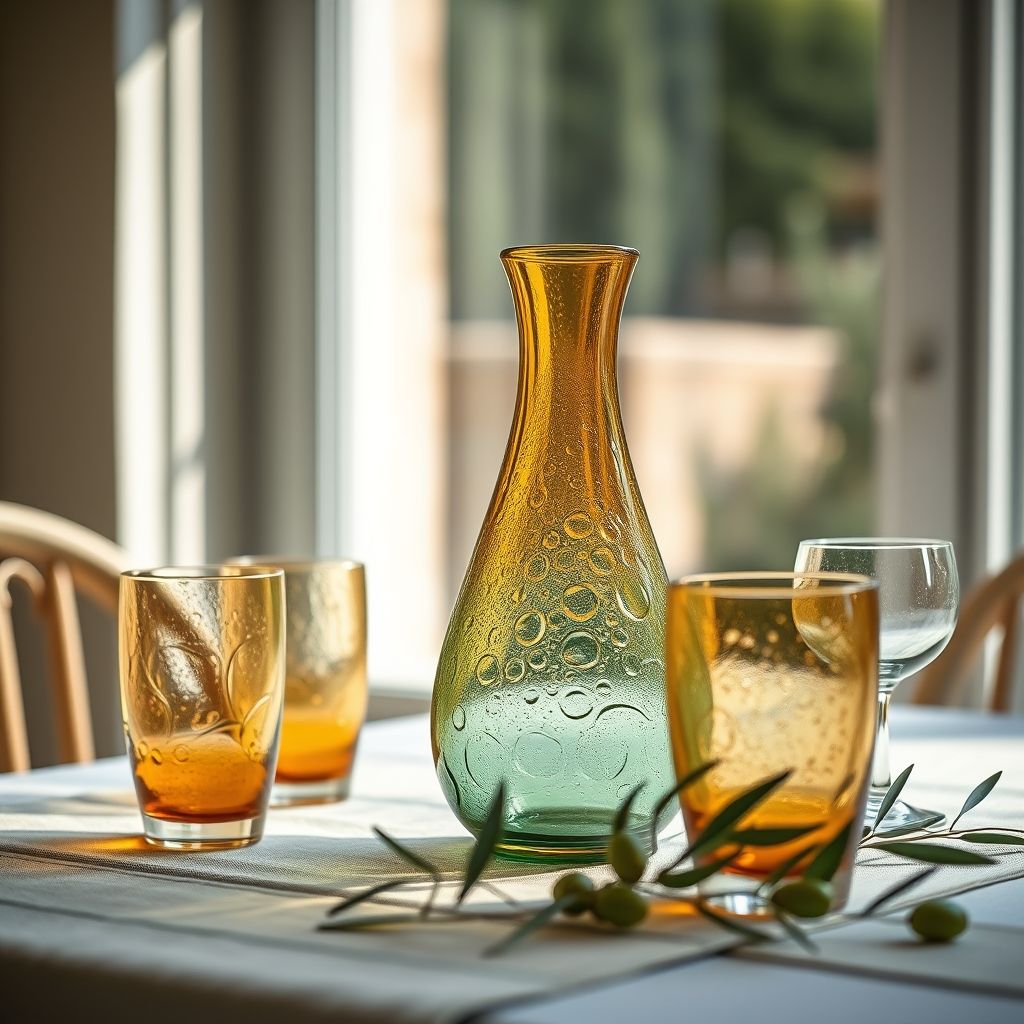
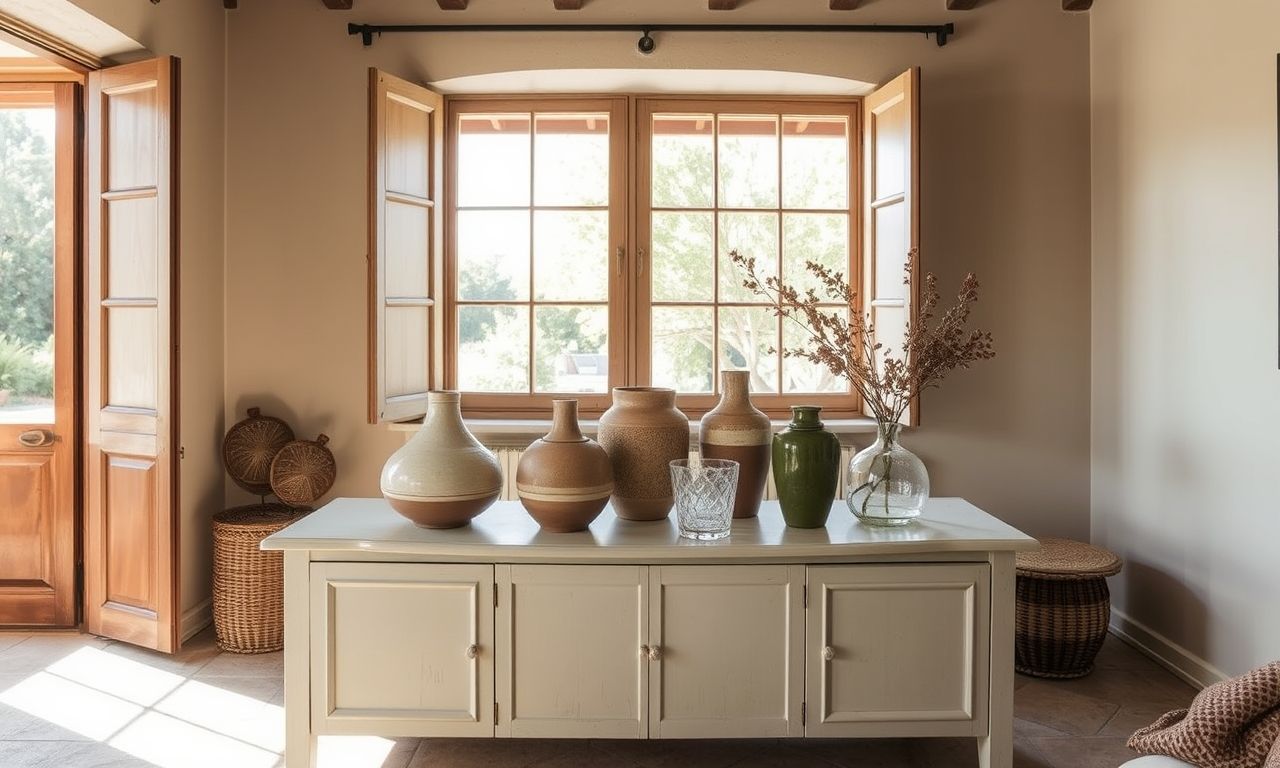
Biot has lived to the rhythm of its workshops for centuries. Terracotta came first, the large jars that once left by boat across the Mediterranean, then blown glass, known for the small bubbles caught inside the material. This skill is no postcard set dressing. It gives objects that carry weight, the marks of a hand, a surface that catches the light. When we work on a house on the French Riviera, we often turn back to pieces like these. They root an interior in its place without freezing it in the past.
Handmade ceramics, the strong move of 2026
This year's main trend holds in one word, the hand. People tire of perfect, smooth, identical runs. Ceramicists are returning to slightly irregular shapes, glazes that run, edges that are not quite straight. This owned imperfection, close to the wabi-sabi spirit, brings a shelf or a table to life. A bowl a touch off-centre, a vase with a matte grainy glaze, a set of plates where no two match exactly. These details tell you who made the object. In a home they break the chill of new surfaces and warm a room with no effort.
Bubbled glass and the light of the South
Biot glass has one signature, those trapped air bubbles that catch the light and send it back in tiny points. Set on a table near a window, a glass or a carafe of this kind makes the late-day sun dance. In the South, where the light is sharp, that effect matters. We like to place a few pieces of tinted glass, amber, sea green or blue, where morning light comes in. On a ledge, a console, an open shelf. Coloured glass filters the light and lays a note of colour that shifts through the hours. It is a simple way to bring a pale wall alive with nothing hung on it.
The colours that go with it, earth, clay and olive green
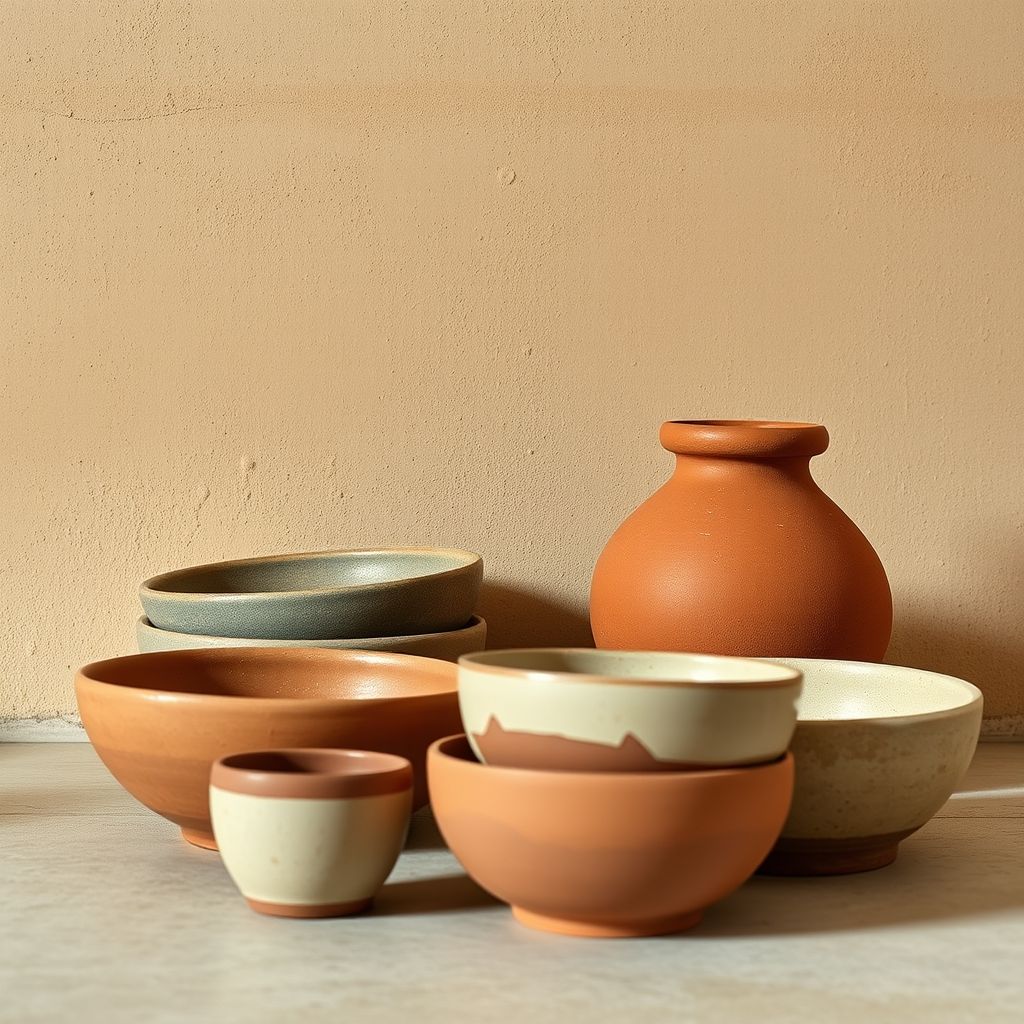
These objects ask for a palette that sets them off without competing. The 2026 tones land well, terracotta, clay, sand, soft ochre, olive green and warm brown. They are the colours of the country around Biot, the hills, the olive trees, the stone. Against a lime-washed wall in these shades, a terracotta jar or a glazed vase finds its place at once. We keep away from very cold, very white backgrounds, which harden ceramic. A warm beige, a rosy grey, a greyed green set a calm backdrop where the material of the objects stands out. The colour stays quiet, the pieces do the rest.