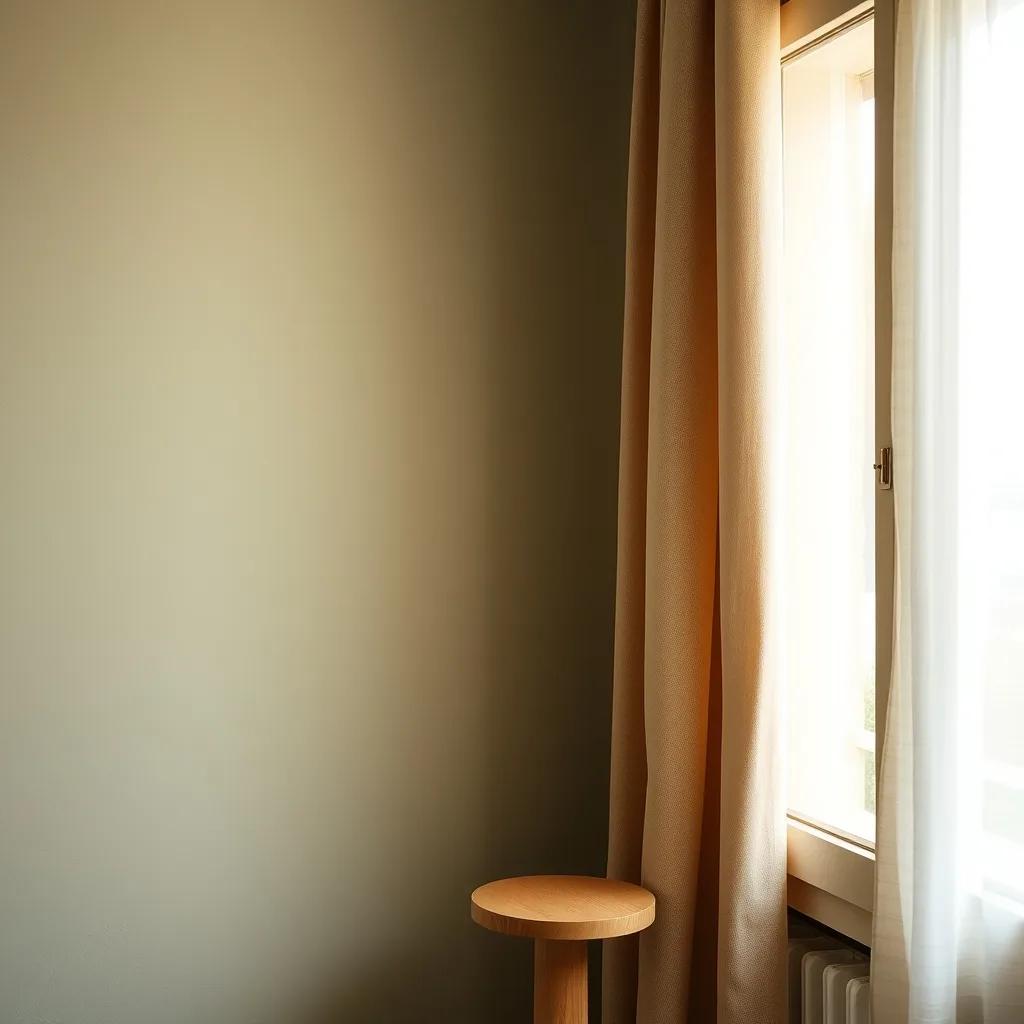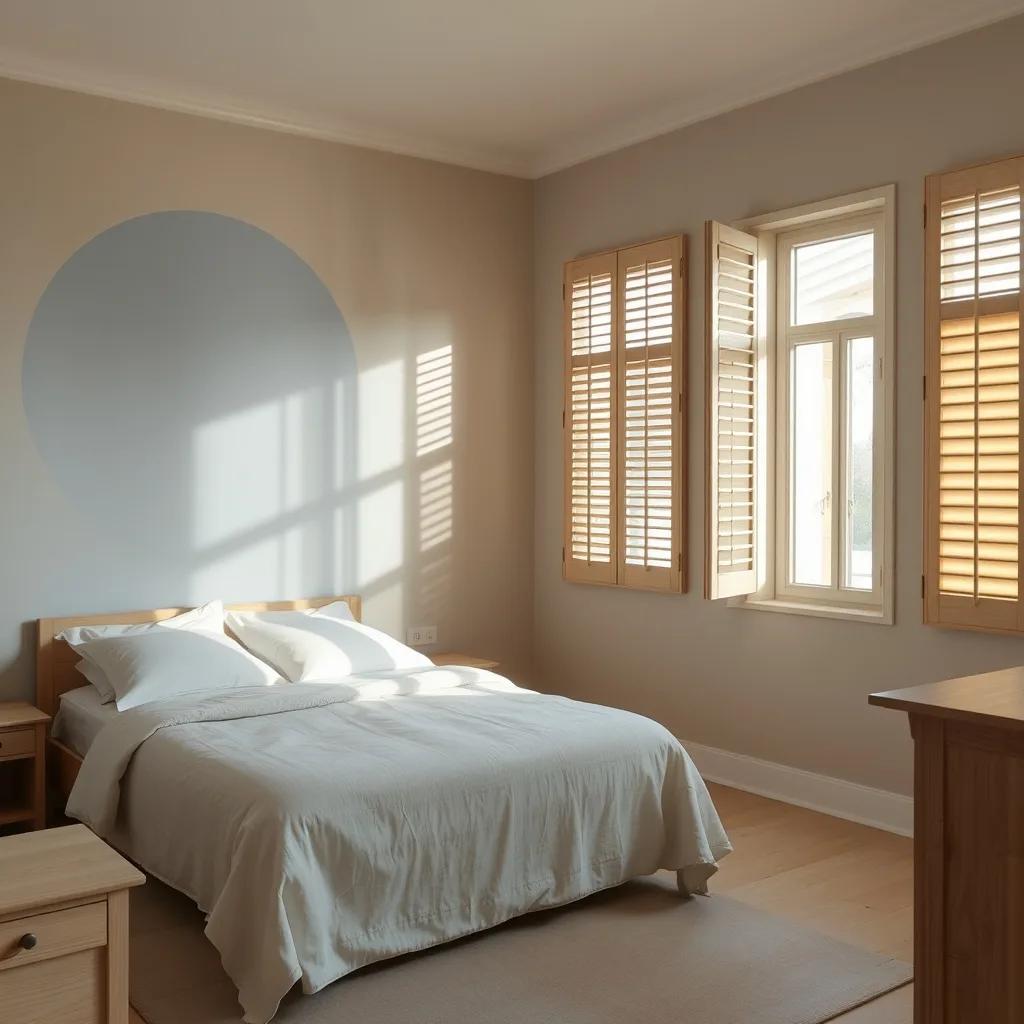
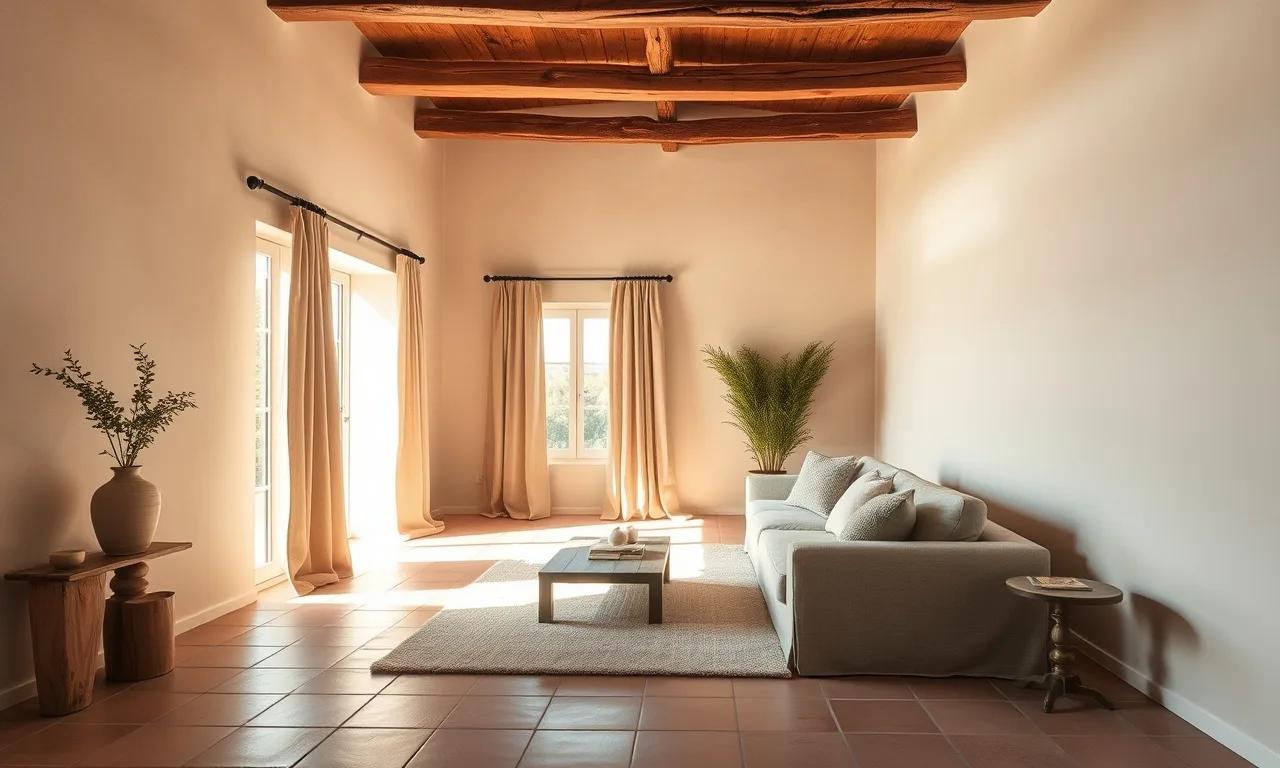
Light and colour in a Mougins hilltop home: a palette that works all year
In a hilltop home in Mougins, the right palette is not the one that looks good on a paint chart. It is the one that holds up under the hard July sun and still warms the rooms when the low, short December light comes in. Our rule at Emicasa is simple. We choose for the light first and for taste second.
Mougins has a particular light. Picasso moved to the Notre-Dame-de-Vie farmhouse in 1961 and stayed until 1973, for that clarity and calm. In the late afternoon, the rooftops of the old village turn golden and the olive valleys go to velvet. This warm light is a gift, but it changes through the year, and a room painted for June can look cold or flat in January. Here is how we build a palette that carries across the seasons.
Start by reading the light, not by picking a colour
Before we talk about shades, we spend time in the house. A house in the old village, in the lanes near the Porte Sarrazine, often takes light from one side only, through a narrow window, with thick stone walls. A villa up on the heights or near the golf course takes sun from several sides and through large windows.
Those two houses do not ask for the same palette. In the village house, light is scarce and precious, so we keep the walls pale to bounce it around. In the very exposed villa, light is plentiful and sometimes harsh in summer, so we can afford deeper shades without darkening the room.
We also look at orientation. A north-facing room keeps a cool, steady light. A south-facing room swings from the flat white of midday to the gold of evening. A pure white wall, lovely at seven on a June evening, can read grey and sad on a November morning. That is why we avoid cold white in the houses here.
A base of warm neutrals that holds in every season
The base of our Mougins palettes is warm neutrals. No optical white, but off-whites, plaster tones, very pale sands, slightly beige greys. These shades carry enough yellow and red to stay welcoming when the winter light loses its warmth.
Lime is our preferred material for these walls. A lime wash keeps a room cool in summer and holds warmth in winter, and it takes the light with a matt depth that plastic paint never gives. Lime is traditionally tinted with soft pigments, towards old rose or greyed green, which lets you add colour without ever going loud. We go into more detail in our piece on [lime walls](/blog/murs-a-la-chaux-badigeon-enduit-stuc).
Over these warm neutrals, the golden stone of thresholds and surrounds, the terracotta tiles on the floor and the old beams already bring a good share of the colour. We treat them as part of the palette, not as something to hide.