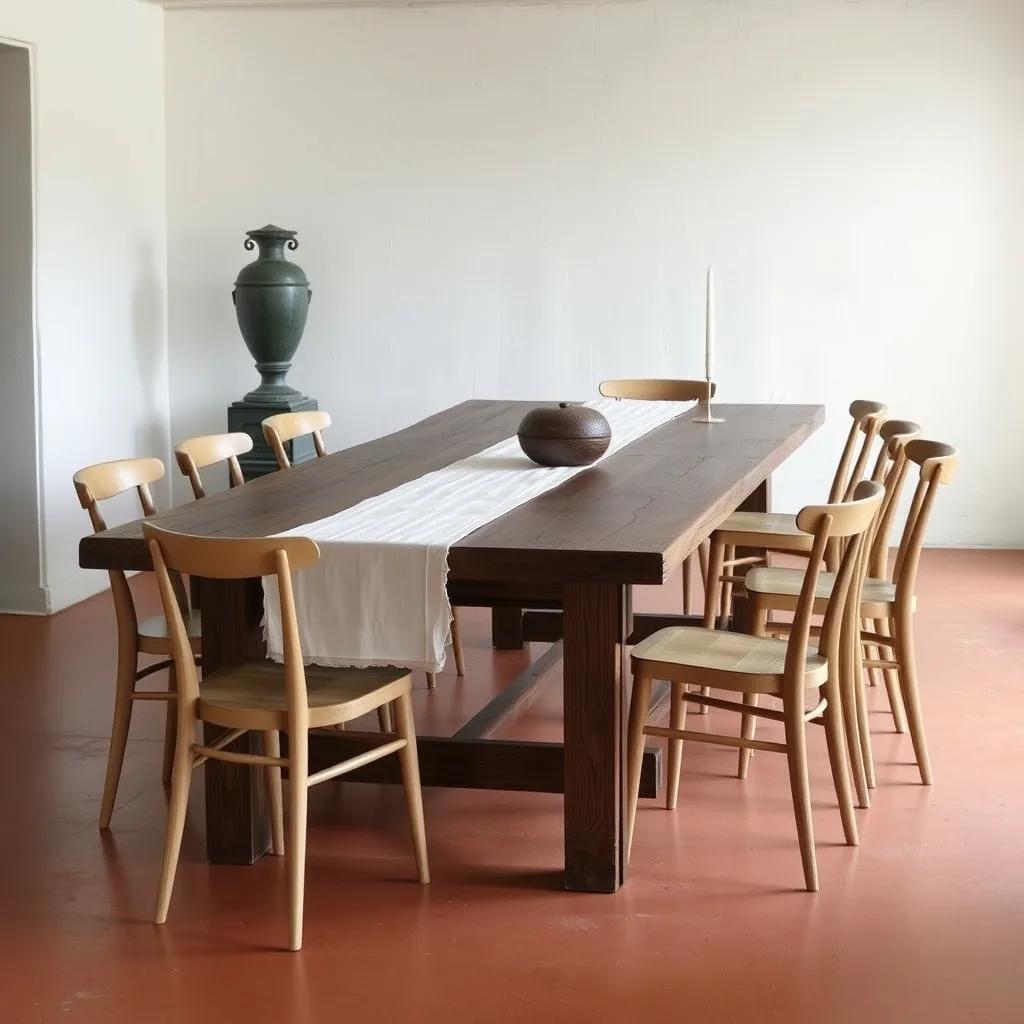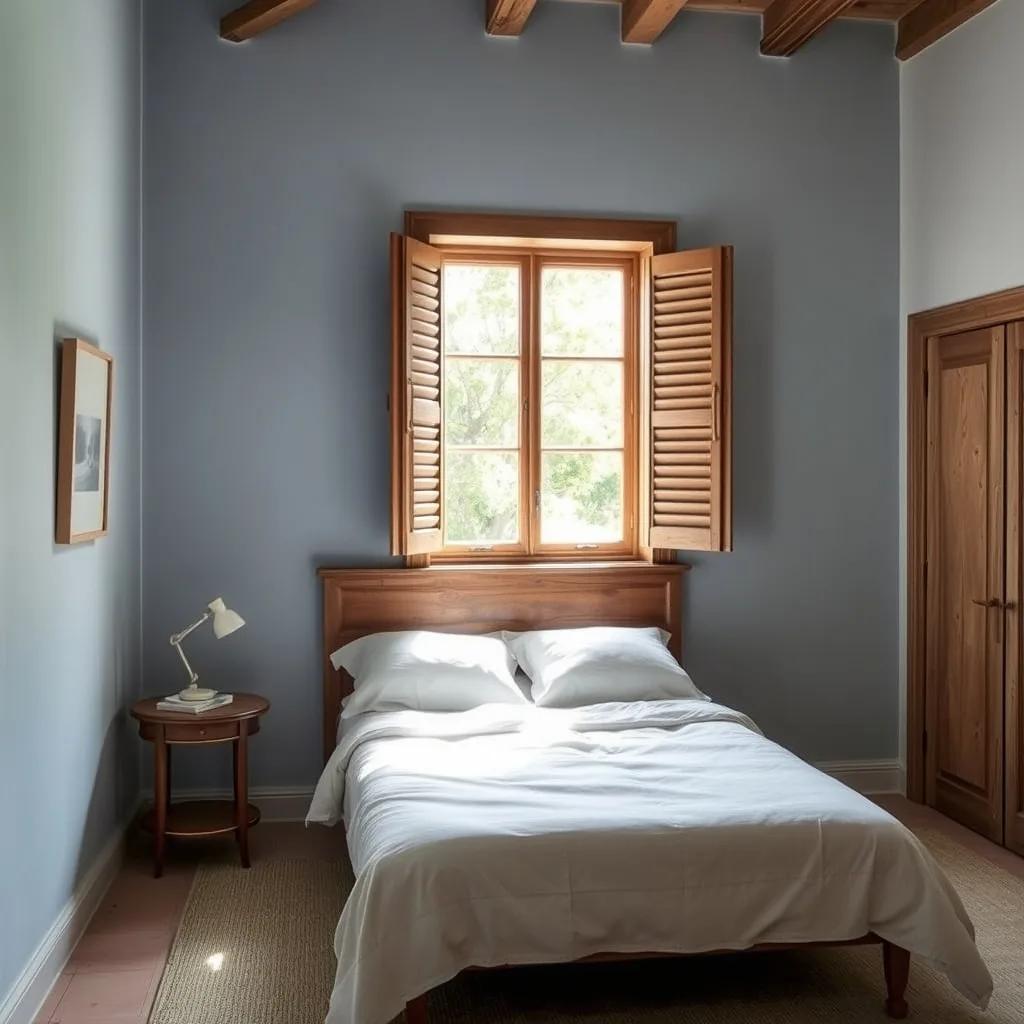
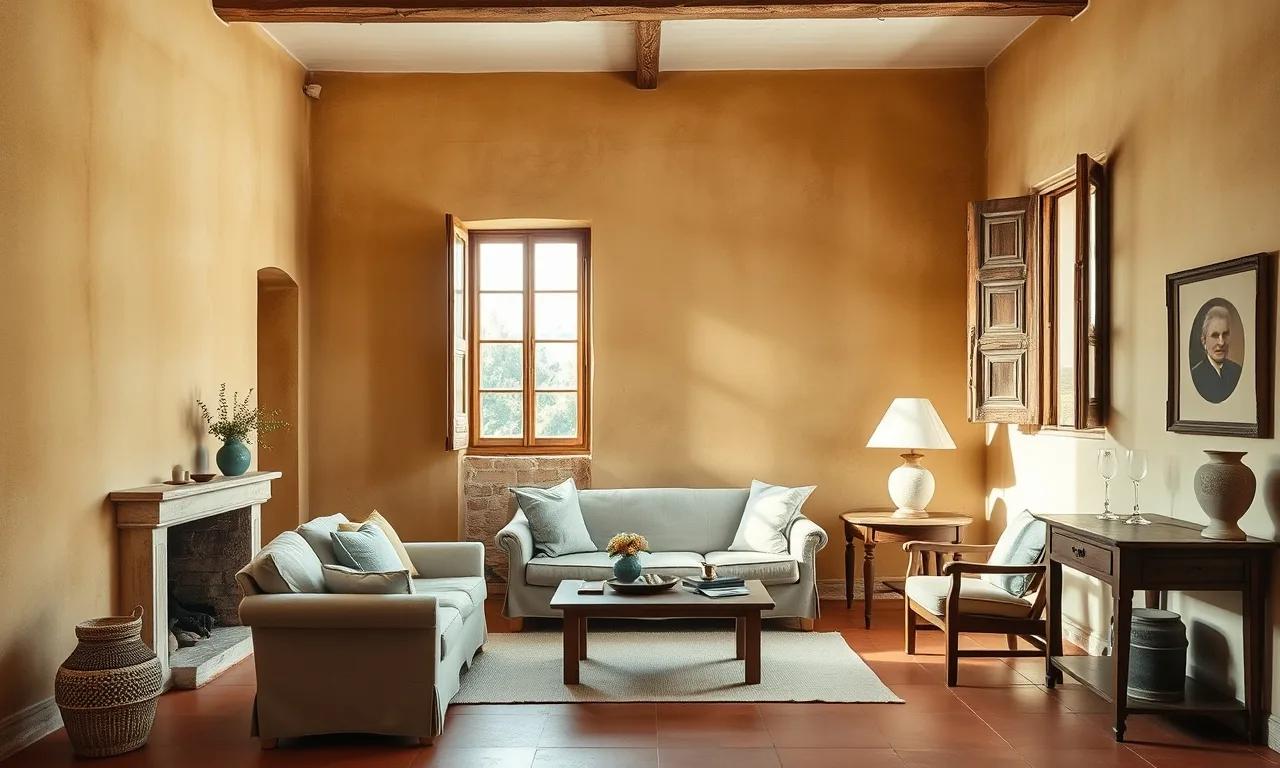
To furnish a Provençal mas without slipping into pastiche, let the shell speak first. The golden stone, the lime plaster and the old terracotta floors already carry the room. Whatever you add should stay sparse and chosen for its material rather than its folklore. A mas has stood in the hills between Cannes and Grasse for centuries. It learned long ago to do without a painted rooster and a sprig of lavender on every cushion.
We often see the opposite. A family buys a fine mas near Opio or Châteauneuf-Grasse, falls for the idea of Provence, and fills the rooms with turned furniture, toile on every surface and lavender blue on the walls. Six months later the house looks like an antique shop that ran out of floor space. Here is how we approach a mas at Emicasa, and how to keep the character without sliding into a postcard.
What makes a real mas, and what gives it away
The mas is a farmhouse. It was built facing south, its back to the mistral, in local stone under canal tiles. The walls are thick, the openings small and carefully placed, with few windows to the north. That logic still holds. It explains the light in each room, the cool of summer, and the way a colour behaves on a wall.
What gives a mas away is excess. Too much pattern, too much furniture, too many references in one place. A rooster on the tea towel, another on the tiles, a third on the curtain, and the room becomes a theme rather than a home. The rule we follow fits in one line. One strong regional reference per room is enough. The rest should rest the eye.
Keep the shell raw
Before you think about furniture, look at the bones of the building. Most of the houses we work on already have everything they need, you just have to avoid hiding it. A bare stone wall does not need to be lined with panelling. Lime plaster, matte and slightly uneven, gives a depth no glossy paint can copy. Old terracotta tiles, those hexagonal hand-laid pavers, are better cleaned and fed than covered over.
When the original floor is gone, two directions work. New terracotta with a worn finish, to stay in the tradition. Or a large-format pale stone slab, for a calmer and more current read. We avoid heavy mock-antique finishes, which age badly and cost a lot. On the walls, a lime wash tinted in the mass stays our default. Expect to pay on average between 40 and 80 euros per square metre laid for a careful lime finish, depending on the state of the wall and the finish you want.
A palette already faded by the sun
The colours of a mas are taken outdoors, not from a trend chart. The honey of old stone, the grey green of lavender after the cut, the chalky white of limestone, the warm brown of turned earth, the dusty blue of a shutter that has seen several summers. None of them is saturated. The sun calmed them down over years, and that is exactly what to aim for inside.